Spartacus
1960 • Adventure, Drama, History • PG-13
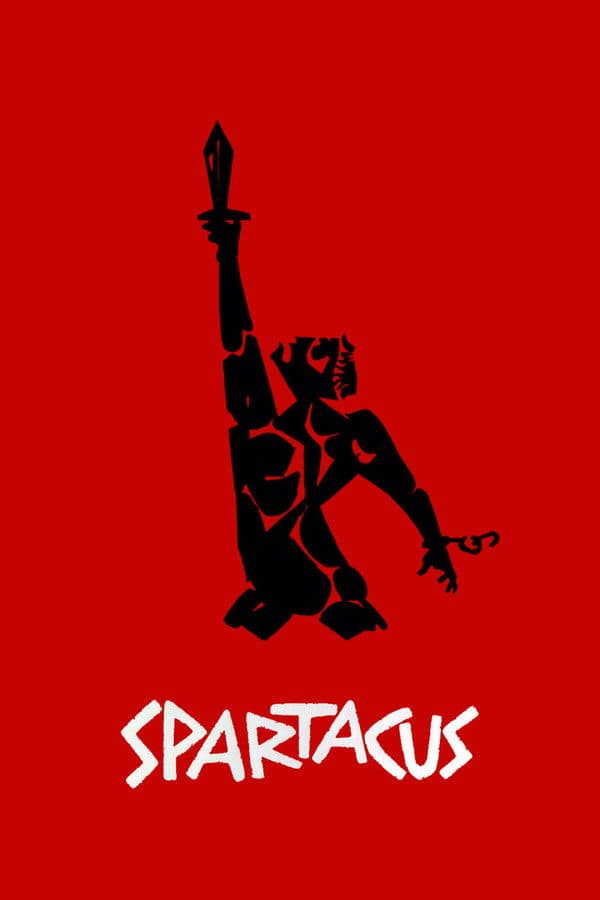
The rebellious Thracian Spartacus, born and raised a slave, is sold to Gladiator trainer Batiatus. After weeks of being trained to kill for the arena, Spartacus turns on his owners and leads the other slaves in rebellion. As the rebels move from town to town, their numbers swell as escaped slaves join their ranks. Under the leadership of Spartacus, they make their way to southern Italy, where they will cross the sea and return to their homes.
Runtime: 3h 17m
Buy related books from Amazon
As an Amazon Associate I earn from qualifying purchases. Read the full disclosure.
Why you should read the novel
Before you watch the 1960 film, read Spartacus by Howard Fast—the gripping original source novel that inspired the movie’s most enduring ideas about freedom, rebellion, and human dignity. This landmark in historical fiction immerses you in the Third Servile War with intimate perspectives, moral urgency, and richly textured Roman world-building.
Fast’s novel offers deeper character development and political nuance than any two-hour cut can deliver. Through layered viewpoints and reflective passages, you witness the inner lives of Spartacus, Varinia, and their comrades, the machinery of Roman power, and the true costs of slavery. The book’s research-driven detail brings camps, councils, and battlefields vividly to life.
If you crave a powerful, thought-provoking read, the Spartacus novel rewards you with context, complexity, and emotion the screen can only hint at. Discover the unfiltered themes that made the film possible—then compare every scene with the source on your own terms. Read Spartacus by Howard Fast today in print, ebook, or audiobook.
Adaptation differences
Narrative structure shifts significantly. Howard Fast’s novel uses a mosaic approach, often filtering events through the recollections and debates of Roman elites and other observers after the revolt. The film streamlines this into a largely chronological hero’s journey, prioritizing momentum and spectacle over the book’s meditative, essay-like interludes.
Characters are altered or invented for the screen. Antoninus—the poet and protégé who defects from Crassus to Spartacus—is a film creation and composite absent from the novel. Varinia’s interior life is richer and more sustained on the page, while the movie reframes the lanista Batiatus with wryer, more comedic shading than the novel’s harder edges.
Iconic set pieces diverge from the source. The mass “I’m Spartacus!” declaration is a powerful cinematic invention not found in Fast’s book. The movie also stages Spartacus’s death by crucifixion for tragic impact, whereas the novel (and ancient accounts) have him fall in battle; Varinia’s escape and the child’s survival are handled with different emphasis and staging.
Tone and themes are recalibrated. The novel advances a sharper class critique—rooted in Fast’s left-leaning politics—probing slavery’s economics, the rebels’ communal decision-making, and Rome’s moral decay. The adaptation leans toward universal uplift, romance, and action, compressing campaigns, simplifying strategy, and trimming political discourse to fit studio-era pacing and censorship constraints.
Spartacus inspired from
Spartacus
by Howard Fast