The Ox-Bow Incident
1943 • Drama, Western • NR
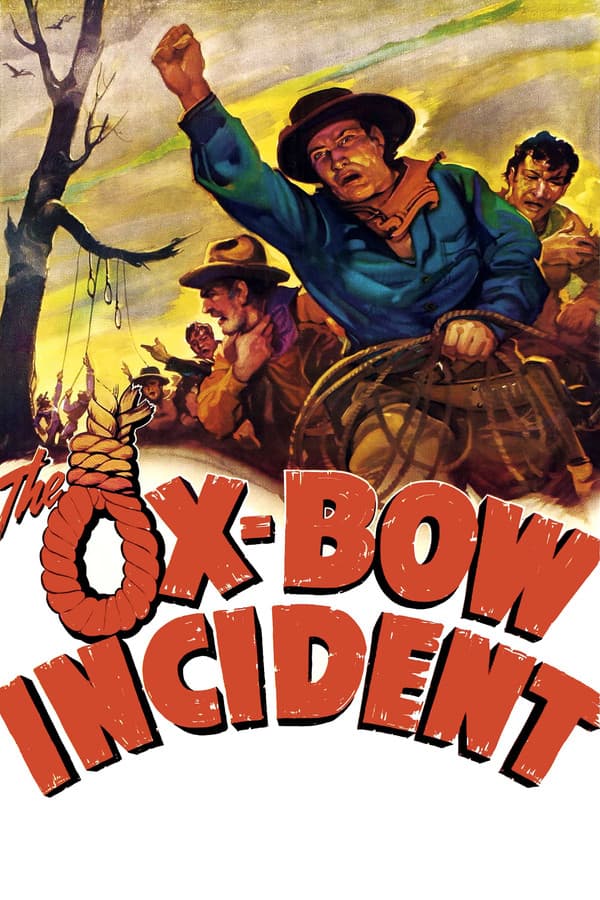
A posse discovers a trio of men they suspect of murder and cow theft and are split between handing them over to the law or lynching them on the spot.
Runtime: 1h 16m
Buy related books from Amazon
As an Amazon Associate I earn from qualifying purchases. Read the full disclosure.
Why you should read the novel
Before pressing play on the 1943 film, experience the power of Walter Van Tilburg Clark’s The Ox-Bow Incident in its original form. The novel’s vivid prose, moral complexity, and unforgettable frontier setting make it a landmark of American literature and a definitive Western that rewards careful reading.
Reading The Ox-Bow Incident novel immerses you in the minds and motives that drive a lynch mob. Clark’s first-person vantage, layered character studies, and razor-edged dialogue expose fear, pride, rumor, and conscience in ways the screen can only suggest. If you want the fullest picture of Art Croft, Gil Carter, Donald Martin, Juan Martinez, and the townspeople, the book is essential.
Choose the original book for deeper context, richer psychology, and a more expansive aftermath. Whether you buy a new edition or borrow a library copy, reading The Ox-Bow Incident unlocks the nuances, themes, and social critique that made the film possible—making it the best way to understand the story before or instead of watching the movie.
Adaptation differences
The Ox-Bow Incident book vs movie begins with perspective. Clark’s novel is narrated in the first person by Art Croft, giving readers direct access to thought, doubt, and moral hesitation. The film largely removes this interior voice and reframes events through an external lens that foregrounds Henry Fonda’s Gil Carter, shifting the center of gravity and softening the narrator’s authority.
Structure and pacing also diverge. The novel lingers on town dynamics, legal doubts, and the slow, procedural drift toward vigilantism, building dread through extended debate and reflection. The film, at about 75 minutes, compresses timelines, trims community backstory, and streamlines the posse’s deliberations to maintain momentum and studio-era runtimes.
Tone and content are shaped by the Production Code. The book’s period-accurate slang, harsher prejudices, and more unsettling violence are muted on screen. Racial and ethnic hostilities that drive suspicion—particularly around Juan Martinez—are less explicit in the movie, and figures like Sparks and Mr. Davies receive reduced nuance compared with their fuller, more textured portrayals on the page.
Key plot and character outcomes differ. In the novel, Gerald Tetley’s fate underscores the corrosive effects of mob shame; the film instead has Major Tetley pay the ultimate price, redirecting culpability and moral closure. The book also offers a longer, more reflective aftermath surrounding Donald Martin’s letter and the community’s reckoning, while the movie concludes sooner, emphasizing a concise morality play over the novel’s broader social critique.
The Ox-Bow Incident inspired from
The Ox-Bow Incident
by Walter Van Tilburg Clark