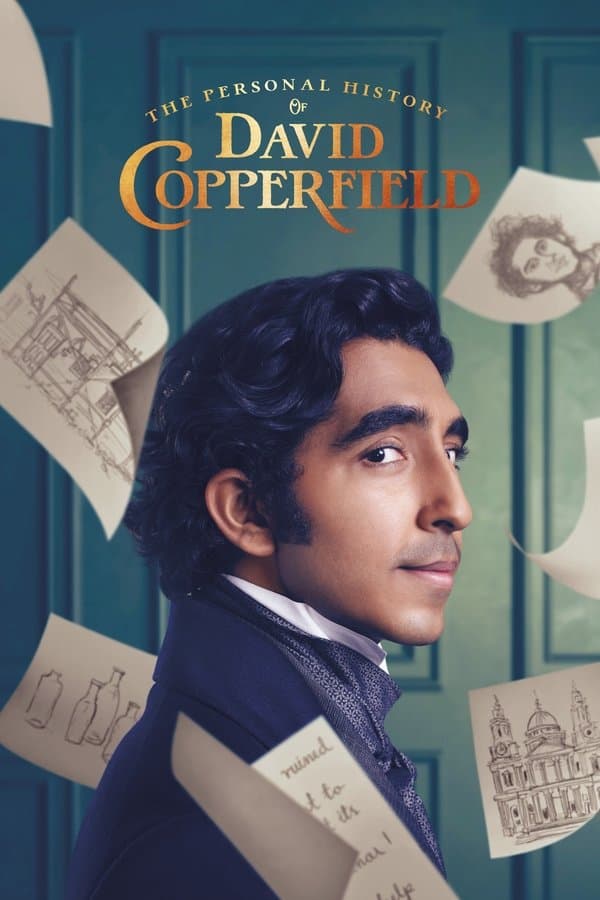
The Personal History of David Copperfield
2019 • Comedy • PG
A fresh and distinctive take on Charles Dickens’ semi-autobiographical masterpiece, The Personal History of David Copperfield, set in the 1840s, chronicles the life of its iconic title character as he navigates a chaotic world to find his elusive place within it. From his unhappy childhood to the discovery of his gift as a storyteller and writer, David’s journey is by turns hilarious and tragic, but always full of life, colour and humanity.
Runtime: 1h 59m
Buy related books from Amazon
As an Amazon Associate I earn from qualifying purchases. Read the full disclosure.
Why you should read the novel
Before you watch The Personal History of David Copperfield (2019), experience Charles Dickens’s David Copperfield in its original form. The novel offers rich language, layered themes, and a complete emotional journey impossible to compress into a feature film.
Reading the book unlocks fuller backstories and motivations for David, Agnes, Dora, Uriah Heep, Mr. Micawber, Betsey Trotwood, and the Peggottys. Dickens’s serialized design builds momentum and resonance across chapters, delivering hard-won growth, social critique, and unforgettable scenes the movie can only skim.
If you love the movie’s humor and heart, the source novel amplifies both—plus deeper character arcs, subplots, and vivid Victorian settings. Search for and read David Copperfield by Charles Dickens to enjoy the definitive, uncut story behind the film adaptation.
Adaptation differences
Structure and pacing differ sharply. The film races through events with brisk comedy, jump-cuts, and theatrical framing, while the novel unfolds as a leisurely first‑person life story whose reflective tone and detail build gradually over many chapters.
Character arcs are streamlined or reinterpreted. Most notably, the movie allows Dora to end her engagement rather than following the novel’s tragic fate, shifting the emotional trajectory and emphasizing personal agency. Romantic developments are accelerated, with Agnes’s significance clarified earlier and more directly than in the book.
Plotlines are condensed and some figures are merged or omitted. The adaptation trims numerous serial subplots and minor characters, combines settings, and compresses David’s professional progression. Confrontations with Uriah Heep and revelations about wrongdoing are consolidated into punchy set pieces instead of extended investigations and letters.
Tone and emphasis shift. Dickens’s book blends humor with sustained social criticism of class, debt, child labor, and education; the film foregrounds buoyant wit and visual invention. Modern sensibilities—color-conscious casting, playful meta-narration, and contemporary pacing—reframe the classic while inevitably reducing the breadth of the novel’s social canvas.
The Personal History of David Copperfield inspired from
David Copperfield
by Charles Dickens