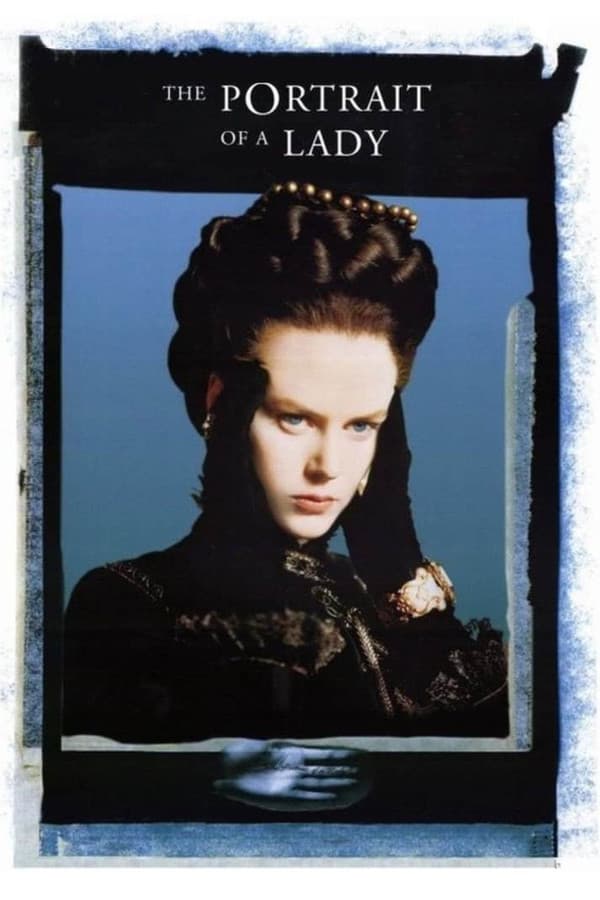
The Portrait of a Lady
1996 • Drama, Romance • PG-13
Ms. Isabel Archer isn't afraid to challenge societal norms. Impressed by her free spirit, her kindhearted cousin writes her into his fatally ill father's will. Suddenly rich and independent, Isabelle ventures into the world, along the way befriending a cynical intellectual and romancing an art enthusiast. However, the advantage of her affluence is called into question when she realizes the extent to which her money colors her relationships.
Runtime: 2h 24m
Buy related books from Amazon
As an Amazon Associate I earn from qualifying purchases. Read the full disclosure.
Why you should read the novel
Before you watch The Portrait of a Lady (1996), experience Henry James’s The Portrait of a Lady in its original form. The novel offers unparalleled psychological depth, letting you live inside Isabel Archer’s mind as she confronts freedom, fortune, love, and choice. If you want the richest understanding of this literary classic, the book delivers the full range of nuance the screen can only hint at.
Reading The Portrait of a Lady book reveals the elegant craftsmanship of James’s prose, the sharp social observation, and the subtle ironies that defined 19th‑century literature. You’ll encounter the vibrant transatlantic world of Americans in Europe, the intricate dance of manners, and the complex inner conflicts that make this novel a timeless touchstone of psychological fiction.
For readers seeking classic literature that rewards close attention, Henry James’s novel is widely available in quality English editions and many public‑domain formats. Choose the book to enjoy the complete, unabridged journey of Isabel Archer—an immersive reading experience that deepens every scene, motive, and theme far beyond what any film can provide.
Adaptation differences
When comparing The Portrait of a Lady novel vs film, the most striking difference is interiority. Henry James builds Isabel Archer through free indirect discourse—page after page of delicate, shifting thoughts. Jane Campion’s movie must externalize this psychology with images, framing, and gesture. The result is a narrative that feels starker and more immediate, while the book sustains a slow burn of ambiguity and self‑scrutiny.
Tone and emphasis also diverge. The Henry James book wields irony, social nuance, and moral hesitation; the adaptation leans into gothic tension, sensual unease, and a feminist critique of control. On screen, Gilbert Osmond’s manipulation and Madame Merle’s complicity read more overtly predatory, while the novel often cloaks motives in layered civility. This shift makes the movie more psychologically barbed, whereas the book is a master class in subtle pressure.
Structure and characterization are necessarily streamlined in the movie adaptation. The film compresses Isabel’s European travels, reduces the social panorama, and abbreviates Ralph Touchett’s extended presence and commentary. Figures like Lord Warburton and secondary circles appear in briefer strokes. Caspar Goodwood’s pursuit and the climactic encounter register more forcefully on screen, while in the book their impact unfolds through Isabel’s conflicted introspection and James’s careful shading.
Finally, the adaptation reframes key moments with visual invention. A contemporary‑tinged prologue and dreamlike imagery signal a modern reading of James’s themes of autonomy, desire, and entrapment. The ending in the book remains famously ambiguous about Isabel’s future; the film preserves ambiguity but emphasizes her agency and responsibilities—especially toward Pansy—through charged visual cues. These choices make the movie a provocative interpretation, while the novel remains the definitive exploration of motive, freedom, and consequence.
The Portrait of a Lady inspired from
The Portrait of a Lady
by Henry James