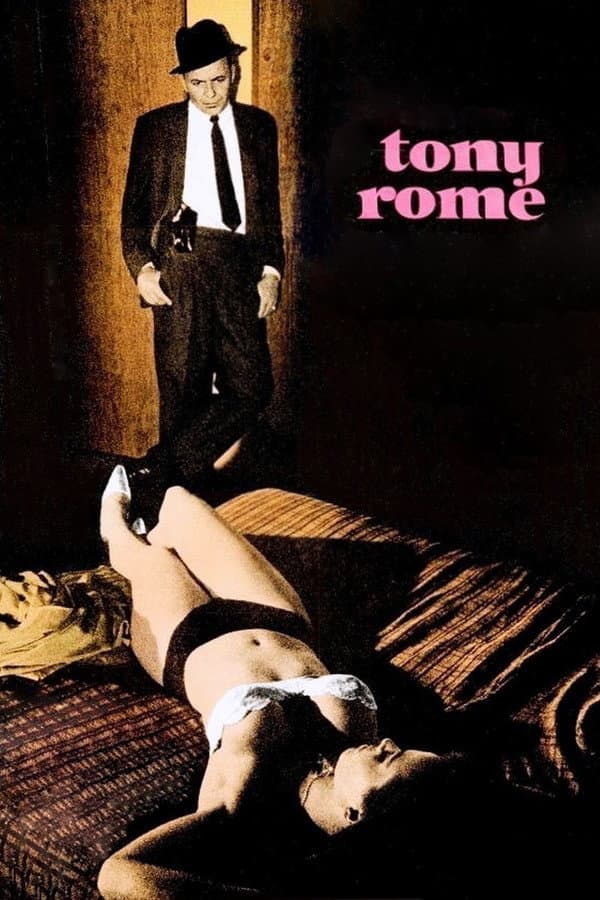
Tony Rome
1967 • Crime, Mystery, Thriller • NR
Tony Rome, a tough Miami PI living on a houseboat, is hired by a local millionaire to find jewelry stolen from his daughter, and in the process has several encounters with local hoods as well as the Miami Beach PD.
Runtime: 1h 50m
Buy related books from Amazon
As an Amazon Associate I earn from qualifying purchases. Read the full disclosure.
Why you should read the novel
Before pressing play on Tony Rome (1967), grab Miami Mayhem by Marvin H. Albert—the sharp, hardboiled novel that started it all. The book’s lean, propulsive prose and street-level grit deliver a Miami noir experience the film can only hint at.
In Miami Mayhem, you’ll get richer character depth, sharper motives, and the full measure of Tony Rome’s world-weariness and wit. Albert’s tight plotting, atmospheric detail, and unsentimental humor make this a must-read for fans of classic private eye fiction. Search for “Miami Mayhem book,” “Tony Rome novel,” and “Marvin H. Albert crime fiction” to find editions.
If you love Chandler, Hammett, or Ross Macdonald, reading the source novel is the better ride—edgier, moodier, and more immersive than the movie. Skip the shortcut and savor the original: the definitive Tony Rome story on the page, not the screen.
Adaptation differences
Tone and characterization shift noticeably from page to screen. In Miami Mayhem, Tony Rome is a harder-edged, more inwardly cynical private eye; the novel leans on sardonic inner monologue and moral grime. The Tony Rome movie, shaped by Frank Sinatra’s charisma, lightens the mood with breezy quips and a relaxed, sun-splashed vibe—less noir fatalism, more cool-cat swagger.
Plot structure is streamlined in the adaptation. The book’s investigative trail includes extra legwork, red herrings, and textured side encounters that deepen the mystery’s stakes and the city’s ecosystem. The film trims and consolidates threads, composites some functions into fewer characters, and rearranges beats for speed and clarity, favoring clean momentum over the novel’s knotty detours.
Content and atmosphere are adjusted for mainstream appeal. Where the novel paints a grittier, more vice-streaked Miami—dingy bars, low-rent rooms, and underworld pressure—the movie presents glossier marinas, hotels, and sunshine. Violence and sexuality that read raw or suggestive on the page are softened or implied on screen, in line with late–Production Code era sensibilities.
Resolutions and themes are neater in the film. While the core mystery aligns in broad strokes, the adaptation simplifies certain motives and tightens the wrap-up, closing on a cleaner note. The novel lingers longer on consequences and moral ambiguity, giving the fallout more sting. If you’re comparing “Tony Rome movie vs book” or searching “Miami Mayhem differences,” expect the film to be brisk and polished, and the book to be darker, denser, and more ethically thorny.
Tony Rome inspired from
Miami Mayhem
by Marvin H. Albert