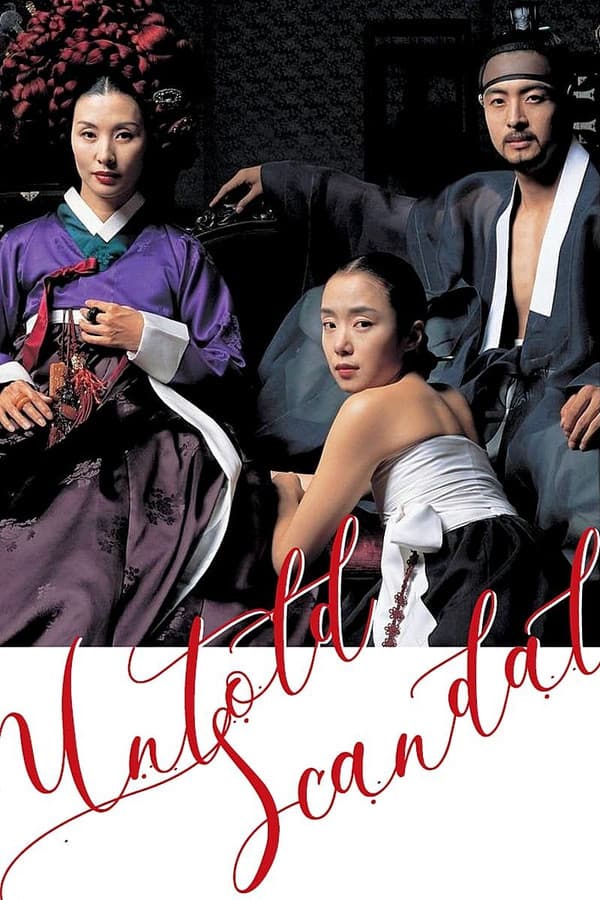
Untold Scandal
2003 • Drama, Romance
In late 1700s Korea, Lady Cho challenges the playboy Lord Jo-won into seducing and sleeping with her husband's coming young, virgin concubine. Lady Cho agrees to sleep with him if he succeeds.
Runtime: 2h 4m
Buy related books from Amazon
As an Amazon Associate I earn from qualifying purchases. Read the full disclosure.
Why you should read the novel
Before you watch Untold Scandal, experience the razor-sharp original: Dangerous Liaisons by Pierre Choderlos de Laclos. This classic novel delivers a deeper, more nuanced exploration of power, desire, and manipulation than any screen adaptation can capture.
Told entirely through letters, the book’s epistolary form lets you hear every sly confession and strategic lie in the characters’ own voices. That intimate design uncovers psychological layers, social satire, and delicious irony that make Dangerous Liaisons an unforgettable reading experience for lovers of classic literature and character-driven drama.
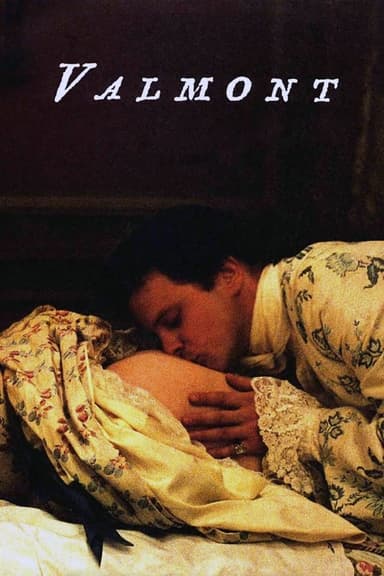
Reading the novel illuminates the roots of every twist you see onscreen. With acclaimed English translations widely available, it’s the best way to understand Valmont and Merteuil’s games at their source—and to appreciate how later adaptations, including Untold Scandal, reinterpret this timeless battle of wits.
Adaptation differences
Setting and social codes shift dramatically. Dangerous Liaisons unfolds in late-18th-century French salons steeped in Catholic morality and aristocratic libertinage; Untold Scandal relocates the story to Joseon Korea, where Confucian ethics, rigid gender roles, widow chastity, and clan honor drive choices. That cultural translation reshapes everything from courtship rituals and scandal to the consequences of reputation.
Structure and narration diverge. The novel’s epistolary design—letters revealing competing perspectives, hidden motives, and razor-edged irony—is central to its power. The film adopts a linear, visually lush narrative: missives and messengers exist, but interior monologues, unreliable narration, and the intricate chess-match of correspondence become externalized through performance, ceremony, and setting.
Character analogues are recalibrated to the new context. Valmont’s counterpart (Jo-won) and Merteuil’s counterpart (Lady Cho) maneuver within Joseon patriarchy, changing how their agency and transgression read to viewers. The pious Madame de Tourvel becomes Lady Jung, whose virtue is defined by Confucian and Buddhist-inflected ideals rather than Catholic guilt. The ingénue’s storyline mirrors Cécile’s awakening and exploitation, but ages, consent dynamics, and social stakes are tailored to Korean norms and censorship standards of the period depicted.
Endgames and themes land differently. In the novel, public exposure of the letters ruins Merteuil, Valmont dies after a duel, and Mme de Tourvel’s collapse underscores the moral wreckage of libertinage. Untold Scandal echoes some beats while localizing outcomes: Jo-won’s fate is sealed in a confrontation, Lady Cho faces ostracism as her schemes surface, and Lady Jung chooses spiritual retreat in line with Joseon-era piety. The result emphasizes Confucian hypocrisy and communal shame over the novel’s specifically Catholic-inflected downfall.
Untold Scandal inspired from
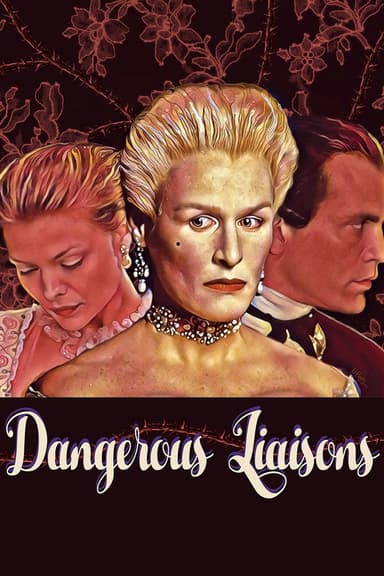
Dangerous Liaisons
by Pierre Choderlos de Laclos