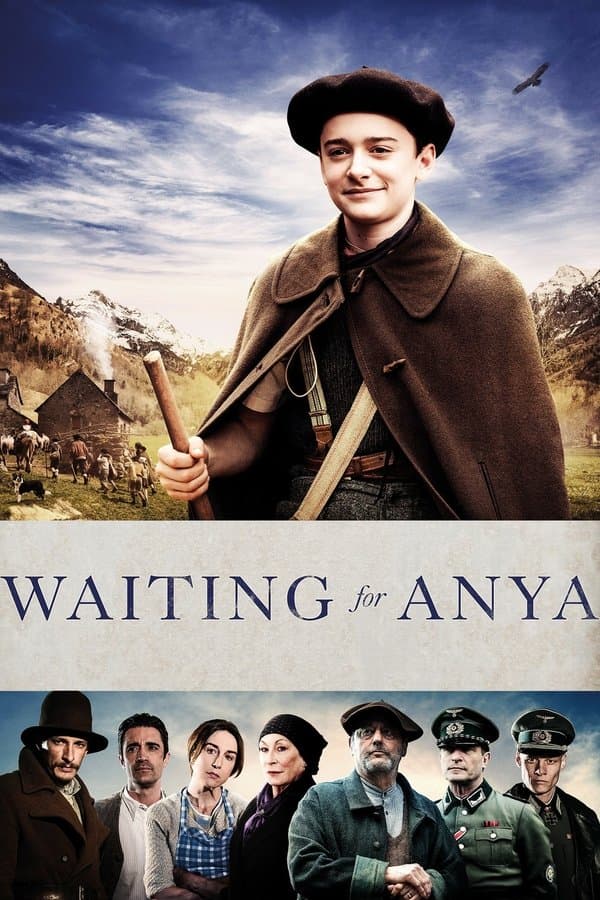
Waiting for Anya
2020 • Drama, War • NR
During the harrows of WWII, Jo, a young shepherd along with the help of the widow Horcada, helps to smuggle Jewish children across the border from southern France into Spain.
Runtime: 1h 49m
Buy related books from Amazon
As an Amazon Associate I earn from qualifying purchases. Read the full disclosure.
Why you should read the novel
Before you stream the film, discover the deeper emotional pulse in the Waiting for Anya book by Michael Morpurgo. This powerful young adult historical novel offers rich characterization, layered moral choices, and a vivid sense of place in the French Pyrenees that only the page can fully unfurl.
Reading the original Michael Morpurgo novel means inhabiting Jo’s thoughts—his courage, fear, and growth—rather than watching them from a distance. The book’s intimate perspective, careful pacing, and textured village life create a more immersive experience than any two-hour adaptation can provide.
If you want the complete story behind the movie Waiting for Anya, choose the source book. Its nuanced themes, tender moments, and quiet heroism will stay with you long after the final chapter, rewarding every reader who values detail, depth, and authenticity.
Adaptation differences
Curious about the differences between the Waiting for Anya movie and book? The novel centers you firmly inside Jo’s mind, where his doubts, impulses, and moral reckoning unfold in intimate detail. On screen, internal conflict becomes externalized through dialogue and glances, naturally simplifying some of the moral texture Morpurgo weaves on the page.
The film streamlines timelines and compresses supporting characters to fit the feature format. Several smaller village dynamics and repeated smuggling episodes in the book are combined or shortened in the adaptation, making the plot feel more linear and urgent, but less layered in terms of community relationships and everyday wartime rhythms.
Tone and intensity also shift. Morpurgo’s novel patiently builds tension and ambiguity around risk, betrayal, and trust, while the adaptation leans into clearer stakes and added visual suspense. Scenes of patrols, close calls, and mountain crossings gain cinematic emphasis, whereas the book often cultivates dread through quiet observation and slow-burn ethical choices.
Finally, the movie tends to offer a tidier sense of closure and a more pronounced redemptive arc for select characters compared to the book’s more bittersweet, reflective ending. If you want the most complete portrait of the village, its secrets, and Jo’s coming-of-age, the source novel delivers a broader emotional range and a more nuanced resolution.
Waiting for Anya inspired from
Waiting for Anya
by Michael Morpurgo