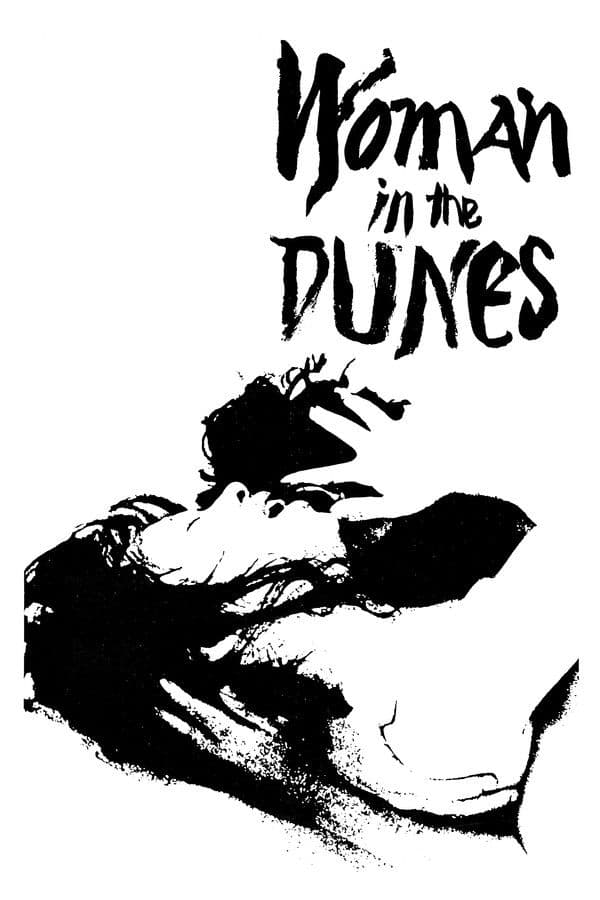
Woman in the Dunes
1964 • Drama, Thriller • NR
A vacationing entomologist suffers extreme physical and psychological trauma after being taken captive by the residents of a poor seaside village and made to live with a woman whose life task is shoveling sand for them.
Runtime: 2h 27m
Buy related books from Amazon
As an Amazon Associate I earn from qualifying purchases. Read the full disclosure.
Why you should read the novel
Before you press play, consider reading The Woman in the Dunes by Kobo Abe—the original source that inspired the acclaimed 1964 film. The novel’s philosophical depth, eerie atmosphere, and unforgettable imagery deliver a singular literary experience you simply can’t stream. If you’re drawn to psychological suspense and existential mystery, the book offers a richer, more intimate journey into the sands.
Abe’s prose immerses you in the protagonist’s mind, blending science, sensuality, and social critique with razor precision. You’ll discover nuanced motivations, meticulous observations about sand and insects, and layers of meaning that the screen can only hint at. Reading the novel amplifies every theme—freedom, identity, desire—allowing you to linger where the film moves on.
For readers who love literary fiction, Japanese modernism, and haunting allegories, The Woman in the Dunes is essential. Choose the book for deeper character psychology, sharper world-building, and thought-provoking detail. It’s the definitive way to understand why this story became a cinematic landmark—and why the novel remains a masterpiece of 20th-century literature.
Adaptation differences
The most striking difference between the book and the movie is interiority. Kobo Abe’s novel keeps you inside the protagonist’s thoughts—his scientific curiosity, fear, rationalizations, and shifting identity. The film externalizes this with image, sound, and silence, creating mystery but sacrificing the novel’s sustained inner monologue and detailed self-examination.
Structure and world-building also diverge. The novel uses a framing device around the man’s “missing person” status and spends more time on the village’s rules, sand economy, and communal logic. The movie implies these systems visually and elliptically, favoring mood over exposition, which heightens the surreal tone but leaves practical details and social critique more ambiguous.
In theme and texture, the book is more explicit—about erotic power dynamics, scientific inquiry into sand and insects, and the social satire of conformity and control. The film replaces explanatory passages with tactile, high-contrast imagery and avant-garde sound, intensifying sensuality and claustrophobia while softening some of the novel’s sociological and philosophical argumentation.
The endings differ in emphasis. The novel’s conclusion situates the man’s fate within a broader bureaucratic and temporal frame, underscoring acceptance and redefinition of self over time. The film closes more ambiguously, privileging a moment of provisional choice and discovery. Even character identification shifts: the book names Niki Jumpei, while the film rarely foregrounds his name, reinforcing its allegorical, everyman quality.
Woman in the Dunes inspired from
The Woman in the Dunes
by Kobo Abe