Cranford
1972 • Drama
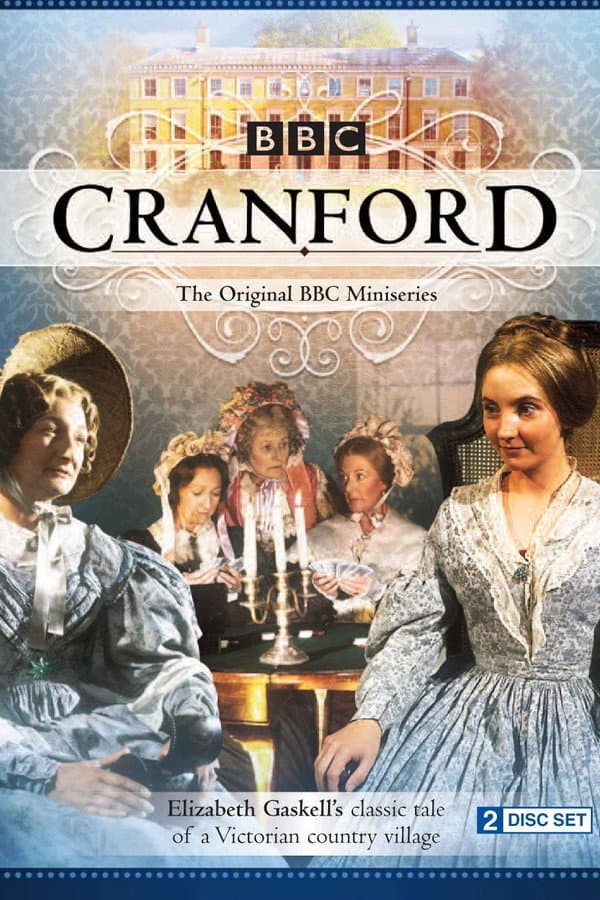
Set in the early 1840s, this is the original BBC miniseries of Elizabeth Gaskell's classic tale of a fictional Victorian country village in which the genteel ladies of Cranford struggle to face an uncertain future with dignity and 19th Century decorum.
Buy related books from Amazon
As an Amazon Associate I earn from qualifying purchases. Read the full disclosure.
Why you should read the novel
Before you press play on the 1972 BBC TV series, discover the irresistible charm of Elizabeth Gaskell’s Cranford in its original form. The novel’s wry humor, tender humanity, and keen social observation create a richer, more dimensional experience than any screen can provide.
Reading Cranford lets you hear Mary Smith’s distinctive narrative voice—playful, perceptive, and compassionate—guiding you through the villagers’ foibles and kindnesses. Her subtle asides, period details, and gentle satire build a living portrait of a community that the TV adaptation can only suggest.
If you love classic British period drama, the best way to savor it is to read the source. Pick up Cranford by Elizabeth Gaskell to enjoy the complete, unabridged tapestry of character, culture, and comedy that inspired the series.
Adaptation differences
Structure and narration: Gaskell’s Cranford is a sequence of loosely linked sketches narrated by Mary Smith, whose witty, first-person perspective shapes the town’s portrait. The 1972 TV series streamlines this episodic design into a more continuous storyline and externalizes Mary’s commentary, inevitably reducing the novel’s intimate narrative voice and authorial asides.
Tone and emphasis: While the series preserves the gentleness and warmth, the book’s quiet irony and sharper moments of social satire are more pronounced on the page. To fit broadcast rhythm, the adaptation trims digressions and witty observations, leaning into cozy period-drama comforts over the novel’s subtler comic bite.
Characters and focus: The 1972 adaptation concentrates the ensemble for clarity—minor figures are condensed or omitted, and overlapping incidents are combined. This places greater sustained focus on Miss Matty and a smaller circle of townsfolk, while Mary Smith appears more active on screen than in the book’s reflective narration, rebalancing who drives the drama.
Pacing and visualization: Events that the novel reports secondhand are shown directly, with rearranged timelines to build episode endings and momentum. This creates tighter pacing and clearer through-lines for television, but it simplifies the book’s meandering, vignette-like charm and heightens certain emotional beats for greater on-screen impact.
Cranford inspired from
Cranford
by Elizabeth Gaskell