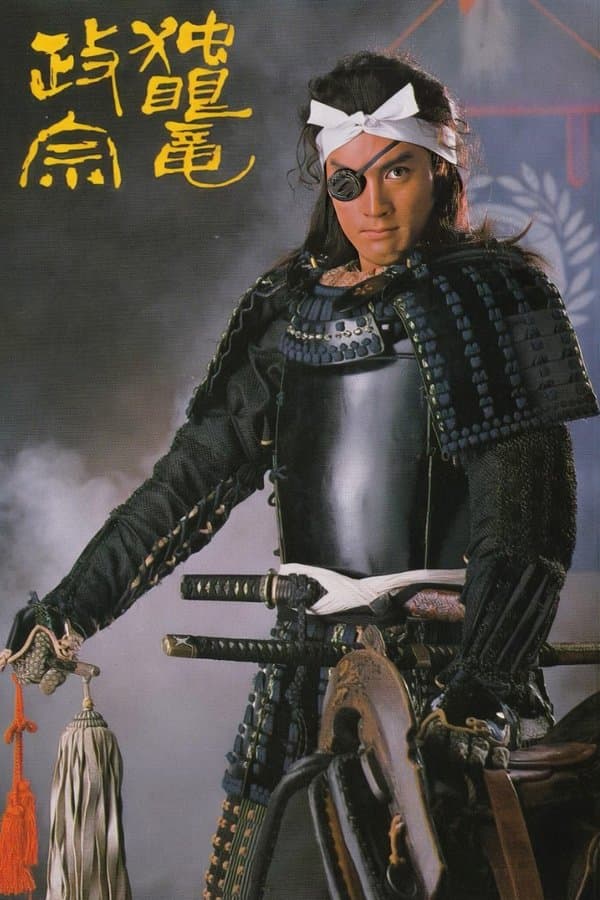
Masamune Shogun
1987 • Drama, War & Politics
Broadcast TV drama NHK broadcast on January 4 to December 13, 1987 (Showa 62). In the questionnaire survey conducted by NHK, it is shining in the most favorite river drama.
The original is Yamaka Sosaichi's novel "Date Masamune", the biggest drama on the theme of the Date house was the first time in 17 years since the "Shinnogi remained" (1970), which painted Datejo in the Edo period. It depicts the life of Matsudo Date of Sengoku warrior · Date Masamune who built the foundation of Sendai clan 620,000 stones in his generation as a result of my own wisdom and talent.
Buy related books from Amazon
As an Amazon Associate I earn from qualifying purchases. Read the full disclosure.
Why you should read the novels
If Masamune Shogun (1987), also known as Dokuganryu Masamune, captured your imagination, the best way to go deeper is through authoritative English-language books about Date Masamune and the Sengoku period. Reading lets you explore real events, politics, and strategy that television can only touch on.
Start with George Sansom’s A History of Japan, 1334–1615 for a clear, scholarly timeline that frames Date Masamune’s life within the wars of unification. Then turn to Stephen Turnbull’s The Samurai Sourcebook and Samurai: The World of the Warrior for accessible profiles, battlefield contexts, and rich detail on daimyo, armor, tactics, and rival clans.
Round out your understanding with Jonathan Lopez-Vera’s A History of the Samurai: Legendary Warriors of Japan, which offers modern synthesis and fresh perspectives. These deeply researched books give you historical accuracy, maps, and analysis that reward every fan of the series who wants the full story behind the drama.
Adaptation differences
Compared with the 1987 TV drama, the books present a stricter chronology and clearer causality for key turning points in Date Masamune’s rise. Histories trace alliances, rivalries, and successions with dates and sources, while televised storytelling often condenses timelines and merges events to keep momentum.
Characterization differs as well. On screen, relationships—such as Masamune’s bonds with family and trusted retainers like Katakura Kojuro—are streamlined and dramatized for emotional impact. In the books, these figures appear within a wider web of vassal obligations, regional politics, and clan strategies, giving their choices more documented nuance.
Battle and campaign depictions are another area of divergence. TV prefers cinematic set pieces, simplified troop movements, and emblematic face-offs. The historical works detail logistics, geography, numbers, and the tactical realities of northern campaigns and post-unification power balancing, offering context that can’t fit neatly into episodic structure.
Finally, diplomacy, economics, and religion receive broader treatment in print. The series focuses on personal motivations and court intrigue, whereas the books foreground trade policies, castle-town development, and international outreach—such as the context around early 17th‑century missions—showing how statecraft, not just swordplay, shaped Date Masamune’s legacy.
Masamune Shogun inspired from
The Samurai Sourcebook
by Stephen Turnbull
Samurai: The World of the Warrior
by Stephen Turnbull
A History of Japan, 1334–1615
by George Sansom
A History of the Samurai: Legendary Warriors of Japan
by Jonathan Lopez-Vera