The Legends of Treasure Island
1993 • Animation, Family
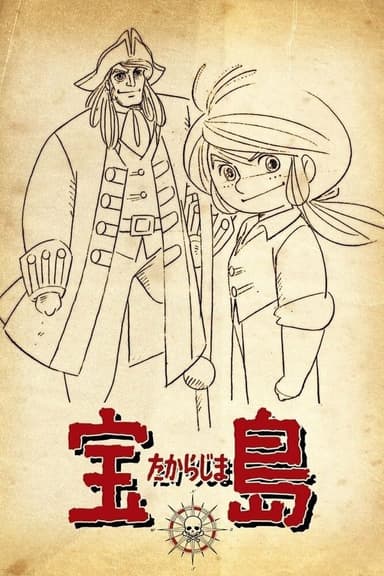
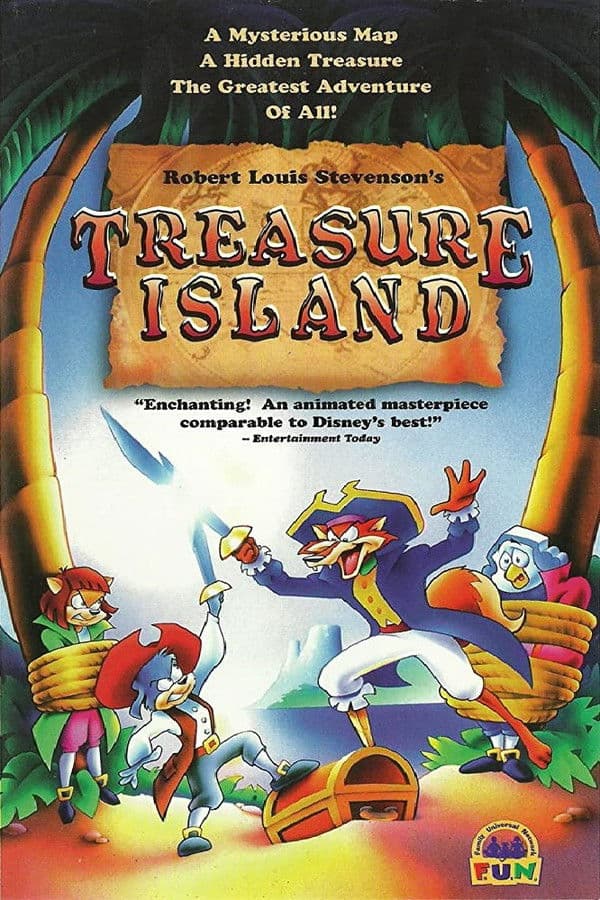
The Legends Of Treasure Island is an animated cartoon from the UK that ran from 1993-1995. It had two series of 13 episodes each and each episode runs for 22–25 minutes.
The series was loosely based on Robert Louis Stevenson's original story "Treasure Island". Featuring a mysterious and dark storyline, it incorporates magic and many new characters. Unlike the book and most adaptations Long John Silver is not an anti-hero with dubious morality but rather a straight villain. It was broadcast in the United Kingdom and in other countries throughout Europe and Latin America and was also aired in Australia. The programme was a FilmFair production for Central Independent Television, The Legends of Treasure Island, is owned by ITV PLC.
Buy related books from Amazon
As an Amazon Associate I earn from qualifying purchases. Read the full disclosure.
Why you should read the novel
Before you stream The Legends of Treasure Island (1993), discover the source that started it all: Treasure Island by Robert Louis Stevenson. This timeless pirate classic delivers the crack of sails, the creak of the Hispaniola, and the thrill of hidden gold through vivid prose you simply can’t get on screen.
Reading the novel lets you meet Jim Hawkins and Long John Silver in their original, unforgettable forms—full of nuance, suspense, and moral complexity. Stevenson’s pacing, atmosphere, and cliffhangers shaped modern adventure fiction and reward every page with genuine tension and heart.
Whether you’re a lifelong reader or new to classic literature, Treasure Island is widely available in print, ebook, and audiobook. Choose the novel to experience the definitive pirate adventure, perfect for students, book clubs, and anyone seeking authentic, sea-salted storytelling.
Adaptation differences
The Legends of Treasure Island reimagines the cast as anthropomorphic animals and heightens visual contrasts between heroes and villains, while the novel presents human characters in a grounded, realistic 18th‑century setting. This stylistic shift changes tone, humor, and menace, shaping how younger viewers perceive character motives compared to the book’s subtler portraiture.
Where Stevenson’s Treasure Island is a gritty, largely realistic seafaring adventure, the TV series adds broader fantasy elements and mysterious forces that are not central to the novel. These invented supernatural threads create new stakes and set pieces, but they move the story away from the book’s taut, human-driven suspense and nautical authenticity.
Characterization also diverges: Jim Hawkins and Long John Silver in the novel are richly ambiguous—Jim grows through hard choices, and Silver balances charm, pragmatism, and self‑interest. The series often simplifies arcs for episodic clarity, adjusts ages or relationships, and introduces original characters or comic relief not found in the book, altering key dynamics and moral shading.
Plot structure and outcomes differ, too. The novel’s focused hunt, shifting loyalties, and carefully staged mutiny unfold with literary precision, while the adaptation leans into serialized adventures, new villains, and island mysteries that expand or replace book events. Endings, treasure logistics, and geography can change to suit television pacing and audience expectations, making the viewing experience markedly distinct from Stevenson’s narrative design.
The Legends of Treasure Island inspired from
Treasure Island
by Robert Louis Stevenson