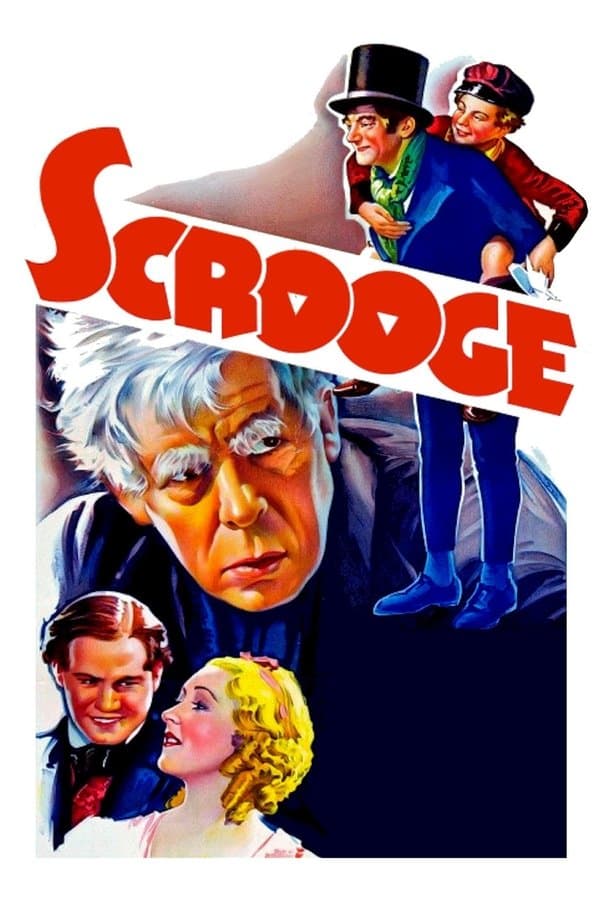
Scrooge
1935 • Drama, Fantasy, Horror • NR
Ebenezer Scrooge, the ultimate Victorian miser, hasn't a good word for Christmas, though his impoverished clerk Cratchit and nephew Fred are full of holiday spirit. In the night, Scrooge is visited by spirits of the past, present, and future.
Runtime: 1h 18m
Buy related books from Amazon
As an Amazon Associate I earn from qualifying purchases. Read the full disclosure.
Why you should read the novel
Before pressing play on the 1935 film Scrooge, experience the timeless power of A Christmas Carol by Charles Dickens in its original words. Reading the novella delivers Dickens’s wit, warmth, and razor-sharp social conscience in a way no screen version can fully capture.
On the page, you hear the narrator’s playful asides, feel Scrooge’s inner turmoil, and walk the snow-dusted streets of Victorian London with sensory detail that deepens every character and scene. The book’s language, humor, and humanity transform a familiar holiday tale into an unforgettable moral journey.
Choose the unabridged text of A Christmas Carol to discover layers of irony, compassion, and hope that reward slow reading and re-reading. Whether in print, ebook, or audiobook, the original novella offers a richer, more intimate encounter with Dickens’s message of generosity and redemption.
Adaptation differences
One major difference between the 1935 Scrooge and Dickens’s A Christmas Carol is the loss of the author’s singular narrative voice. The book’s witty commentary and direct addresses shape tone, pacing, and moral emphasis, whereas the film tells the story visually and through dialogue, inevitably streamlining Dickens’s playful irony and humane asides.
Another distinction lies in the portrayal of the supernatural. The novella paints vivid, often poetic images of the spirits and their time-bending journeys. The 1935 adaptation, working within early sound-era limitations, tends to suggest rather than showcase the ghosts, using shadows, voice, and implication. This softens the uncanny atmosphere and shifts focus from wonder and dread to the moral throughline.
Compression also changes what we learn about key characters and scenes. Prose moments that linger—like the full exuberance of Fezziwig’s party or the emotional breadth of Scrooge’s lost romance—are abbreviated on screen. Likewise, Dickens’s broader Christmas panoramas (such as far-flung celebrations) and certain social-allegory episodes can be trimmed or omitted, narrowing the story’s scope compared with the book’s expansive empathy.
Finally, tone and emphasis differ. Dickens balances satire, pathos, and sharp social critique with a jubilant finale; the film moves more briskly toward redemption, with fewer digressions into the systemic hardships he indicts. The result is a cleaner moral arc on screen, while the book provides a deeper, more textured exploration of conscience, community, and change.
Scrooge inspired from
A Christmas Carol
by Charles Dickens