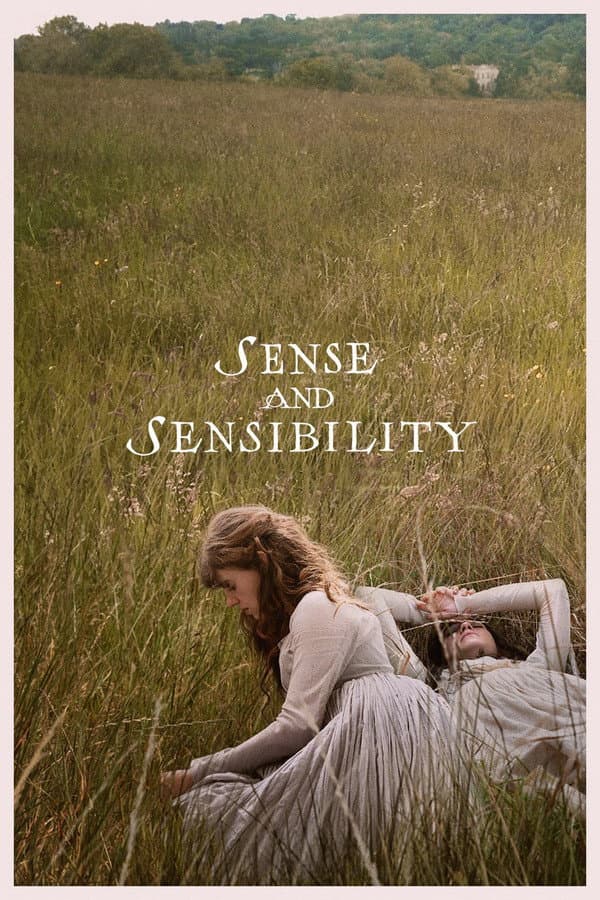
Sense and Sensibility
2026 • Drama, Romance • PG
A charming, witty, and deeply relatable story of love and sisterhood.
Runtime: 2h 11m
Buy related books from Amazon
As an Amazon Associate I earn from qualifying purchases. Read the full disclosure.
Why you should read the novel
Discover the full richness of Sense and Sensibility by Jane Austen. The novel’s nuanced character arcs, sparkling irony, and meticulous social detail reward readers in ways no screen version can fully match.
On the page, you inhabit Elinor and Marianne Dashwood’s inner lives—their private doubts, hopes, and moral struggles—through Austen’s precise narration, epistolary clues, and subtle shifts of free indirect discourse.
If you’re considering the 2026 movie, start with the source. Reading the classic Sense and Sensibility novel offers deeper context, sharper humor, and timeless insights into love, money, family, and integrity.
Adaptation differences
Because detailed information about the 2026 adaptation isn’t publicly available yet, expect common changes: streamlined plotlines, combined or omitted side characters, and condensed timelines to fit a feature-length structure.
Interior perspective often shifts in film. Austen’s free indirect discourse reveals Elinor’s restraint and Marianne’s impetuosity from the inside; movies typically externalize this through dialogue, glances, and voice-over, reducing psychological nuance.
Book vs movie differences in tone are typical. The novel balances romance with sharp satire of inheritance, class, and sensibility; adaptations often foreground love stories, simplify social critique, and modernize dialogue for accessibility and pacing.
Character emphasis may change. Willoughby’s motivations, Colonel Brandon’s backstory, and Edward Ferrars’s conflicts are frequently compressed or relocated, altering pacing and audience sympathy compared with the deliberate revelations in the book.
Sense and Sensibility inspired from
Sense and Sensibility
by Jane Austen