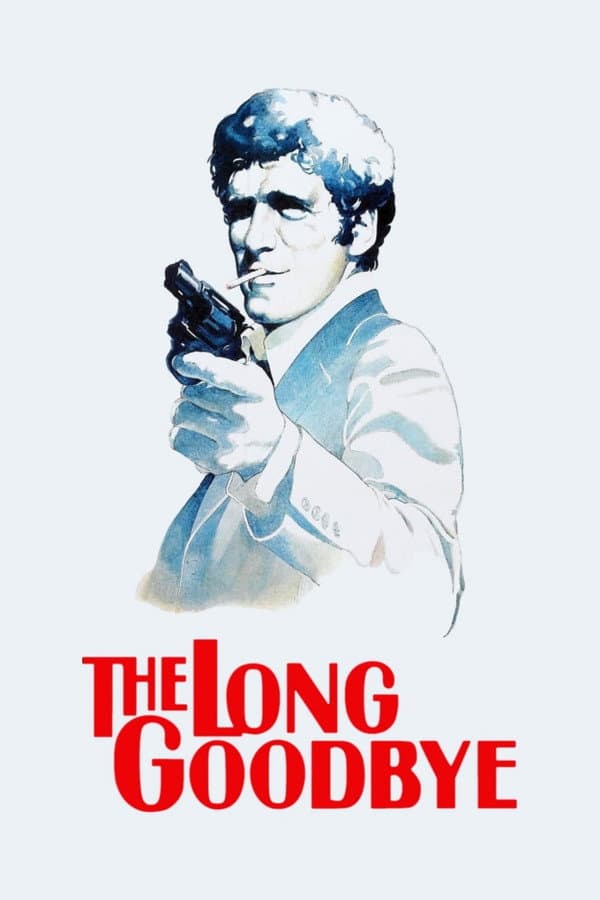
The Long Goodbye
1973 • Crime, Drama, Mystery • R
In 1970s Hollywood, Detective Philip Marlowe tries to help a friend who is accused of murdering his wife.
Runtime: 1h 52m
Buy related books from Amazon
As an Amazon Associate I earn from qualifying purchases. Read the full disclosure.
Why you should read the novel
Before you stream The Long Goodbye (1973), experience Raymond Chandler’s original novel, The Long Goodbye. The book delivers a richer, darker Philip Marlowe and a deeper, more intricate mystery than the movie.
Chandler’s prose—razor-sharp similes, melancholy humor, and unforgettable Los Angeles ambience—turns every page into atmosphere. The novel explores friendship, loyalty, corruption, and class power with nuance the film only glances at.
Searching for The Long Goodbye book vs movie? Read the Raymond Chandler novel first. Available in paperback, audiobook, and ebook, it’s essential hardboiled noir for crime fiction, detective mystery, and classic literature fans.
Adaptation differences
One of the biggest differences between The Long Goodbye book and movie is time and tone. Chandler’s 1953 novel unfolds in postwar Los Angeles through Marlowe’s first-person voice—cynical yet principled. Robert Altman’s 1973 film updates everything to the counterculture era, recasting Marlowe as a shambling observer in a satirical, freewheeling neo-noir mood piece.
In the novel, the mystery ultimately exposes Eileen Wade’s hidden culpability and complex motives, while Terry Lennox is not the cold-blooded killer the police claim. The film flips this: Terry Lennox is made decisively guilty, and Altman ends with a stark, ironic confrontation in Mexico that the book never mirrors, replacing Chandler’s melancholic grace note with a jolting act of finality.
Character architecture also changes. The movie introduces gangster Marty Augustine and sidelines or trims major book elements like powerful tycoon Harlan Potter and the intense pressure placed on Marlowe by entrenched wealth and institutions. Eileen Wade’s role and backstory are greatly reduced on screen, shifting thematic weight away from her manipulations.
Structurally, the book’s long, probing conversations, ethical debates, and layered subplots give Marlowe a slow-burn investigation that interrogates class, loyalty, and literary celebrity. The film compresses and streamlines the case, leans into recurring visual and musical motifs, and emphasizes alienation in 1970s Los Angeles—resulting in a stylish, satirical detour from the novel’s moral complexity.
The Long Goodbye inspired from
The Long Goodbye
by Raymond Chandler